HOTEL DETAILS
Waldorf Astoria New York
301 Park Avenue, New York
New York NY
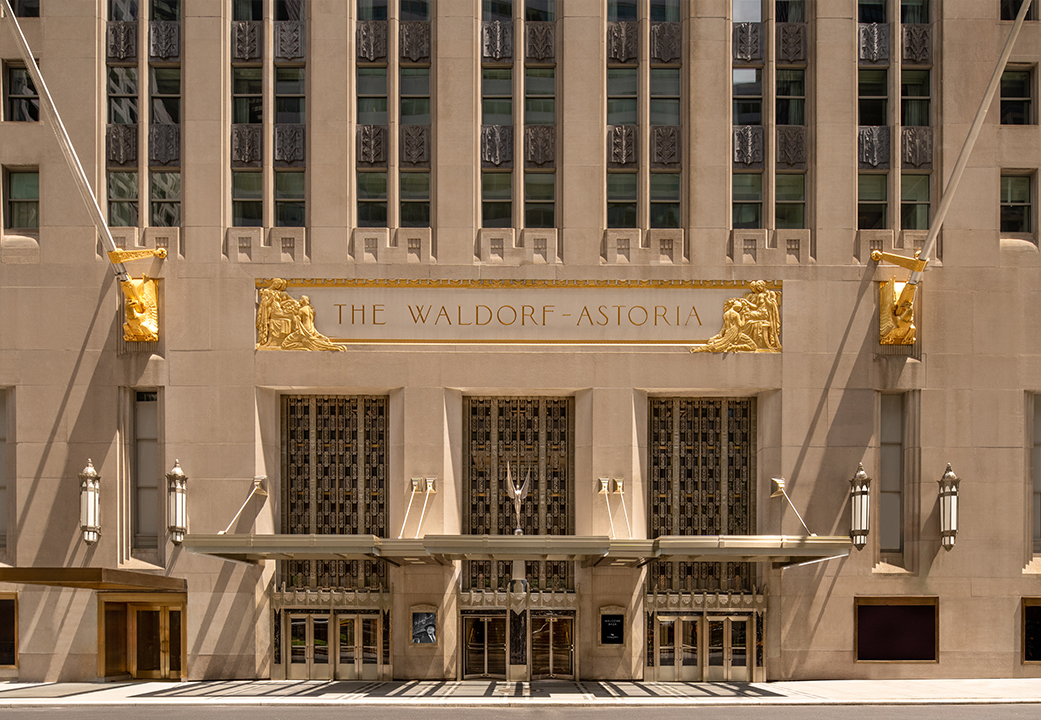
There are hotels that belong to a city. And then there’s the Waldorf. After an eight-year restoration, Waldorf Astoria New York has reopened as one of the most anticipated returns in Manhattan, reintroducing an icon that has shaped the rhythms of Park Avenue for nearly a century. For General Manager Luigi Romaniello, the moment is a reassertion of purpose: honoring the building’s Art Deco soul while bringing the experience forward with a modern, residential calm.
Waldorf Astoria New York
“People were waiting for it,” Romaniello says. “They wanted to see how it would be reimagined. We reintroduced an icon that has been here for the last 100 years, and that redefined the sense of purpose–not just for the hotel, but for the city itself.” The feedback, he adds, has been consistent. Guests thank the team for protecting the authenticity of the landmark spaces, while also making the hotel feel fresh, current, and unmistakably New York.
That balance is a theme Romaniello returns to often. Waldorf Astoria New York spans Gilded Age glamour, diplomatic history, and decades of cultural mythology, but he is careful not to treat the property like a museum. “It’s so important not to forget the past,” he says. “The legacy is the DNA. You walk in, and you feel you’re entering a place that is very special, with a sense of glamour and elevation. We wanted it to be romantic, not cold.”
The hotel’s early story has always been one of invention, and Romaniello sees innovation as the most faithful way to honor it. The Waldorf helped popularize classics like the Waldorf Salad, Eggs Benedict, Thousand Island dressing, and red velvet cake. It was also known for pioneering guest comforts long before they became industry standards. “We were the most innovative back in the day,” he says. “That legacy motivates us and informs how we represent the new hospitality for Waldorf Astoria New York. Everything we do has to be a step ahead.”
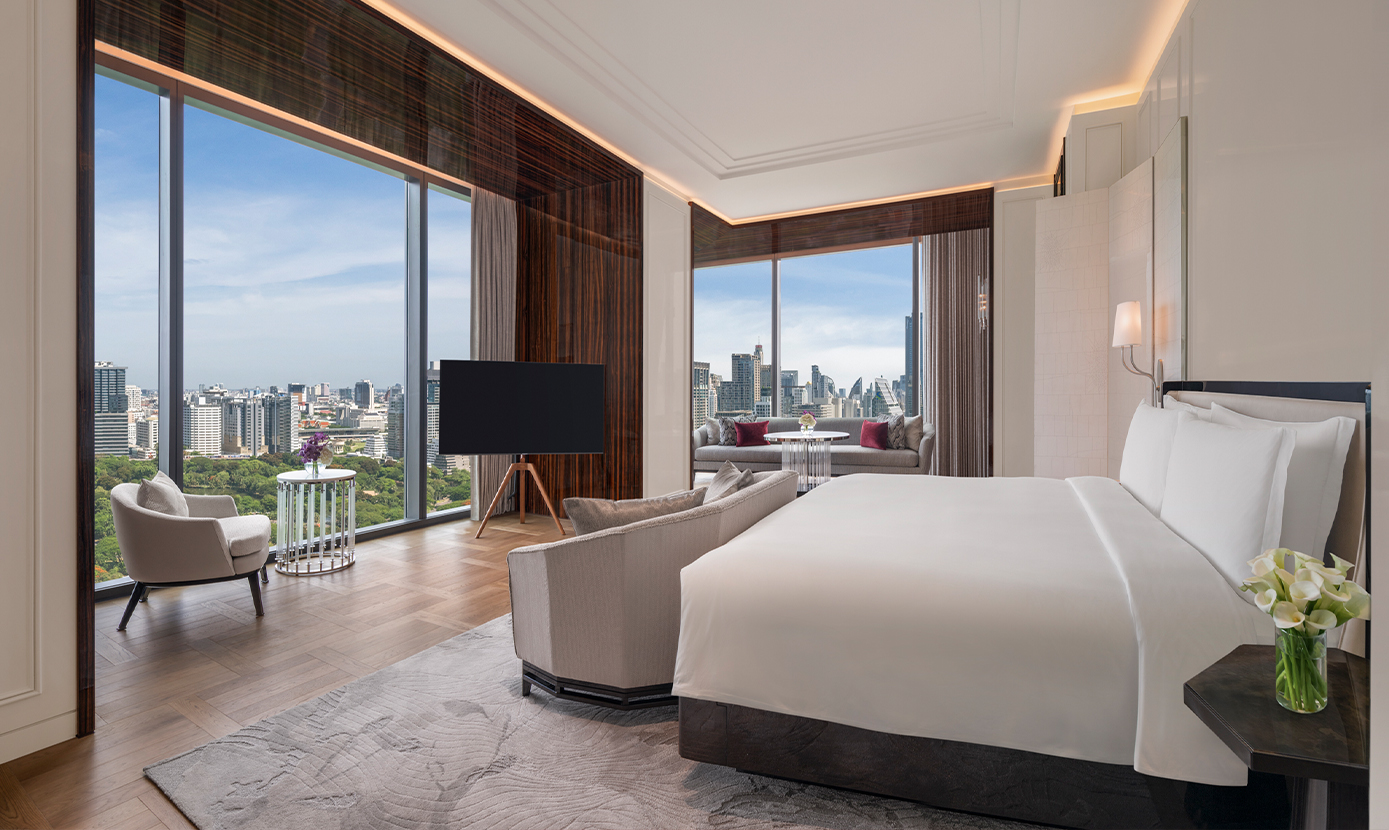
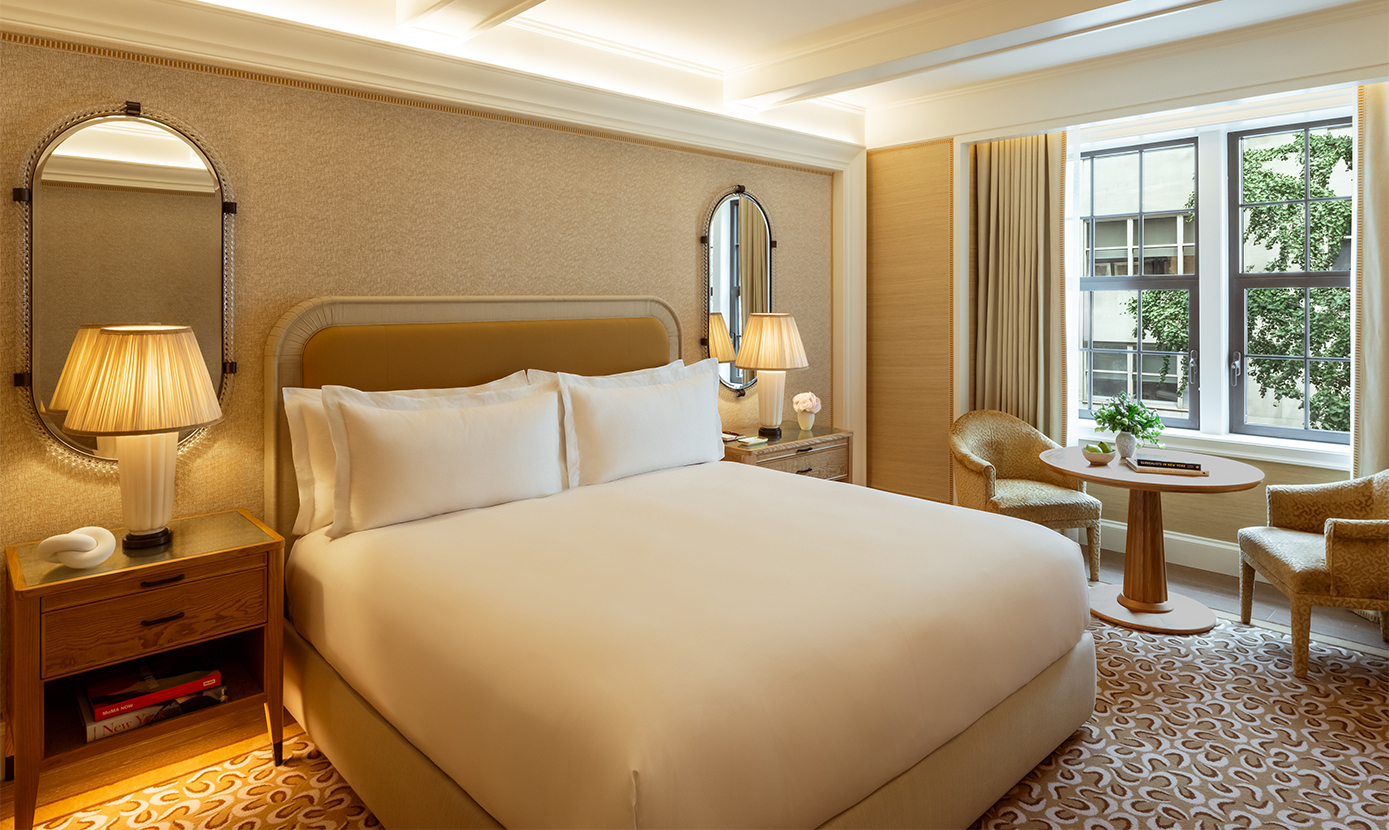
Nowhere is that future-facing approach more tangible than in the guest rooms, reimagined as private sanctuaries above the city. The hotel has been thoughtfully scaled from its former 1,400-room footprint to 375 rooms and suites, a shift that allows for a more individualized, relationship-driven service. “By volume alone, we can focus on the guest experience,” Romaniello says. “We’re curious about what our guests want. We want to be thoughtful.”
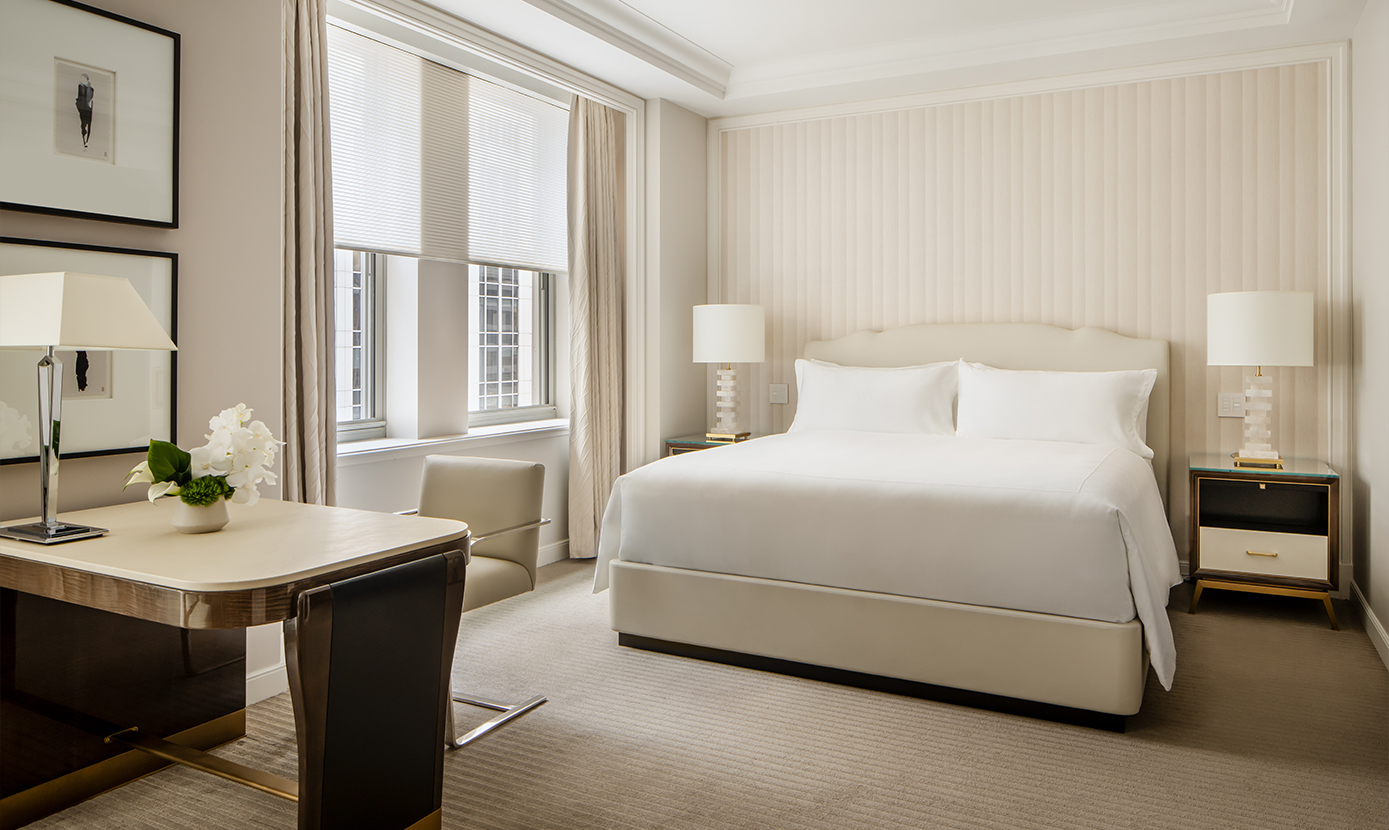
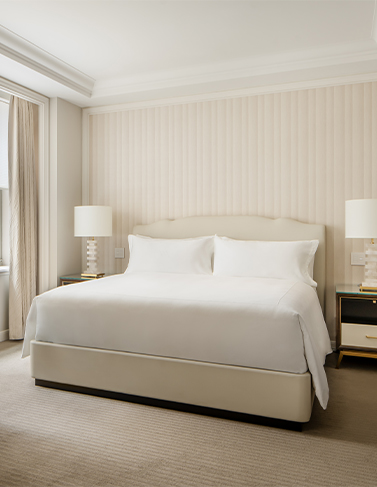
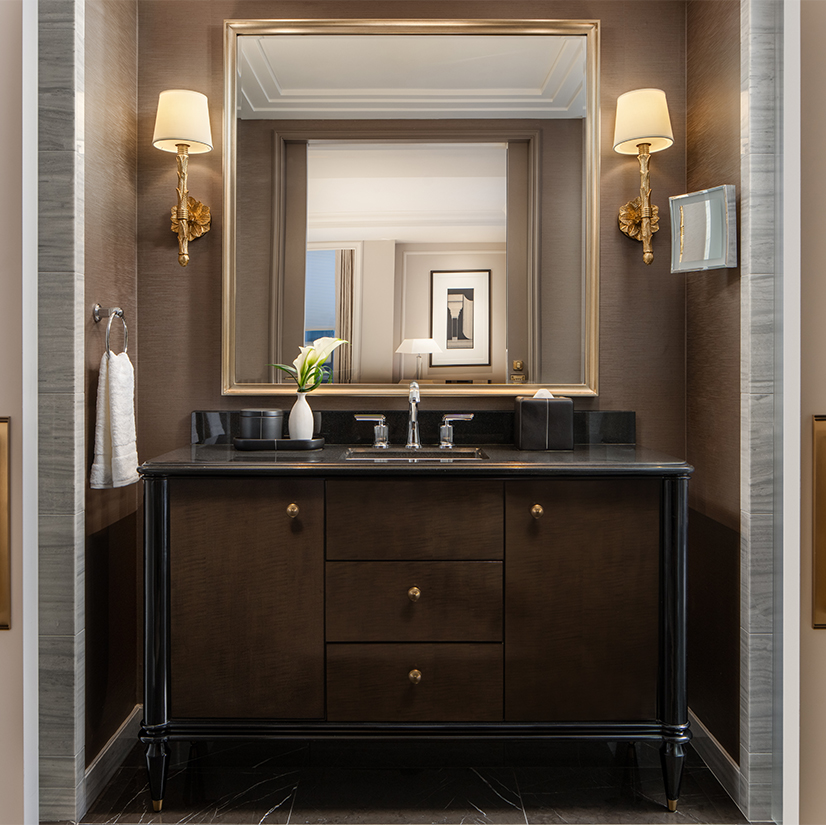
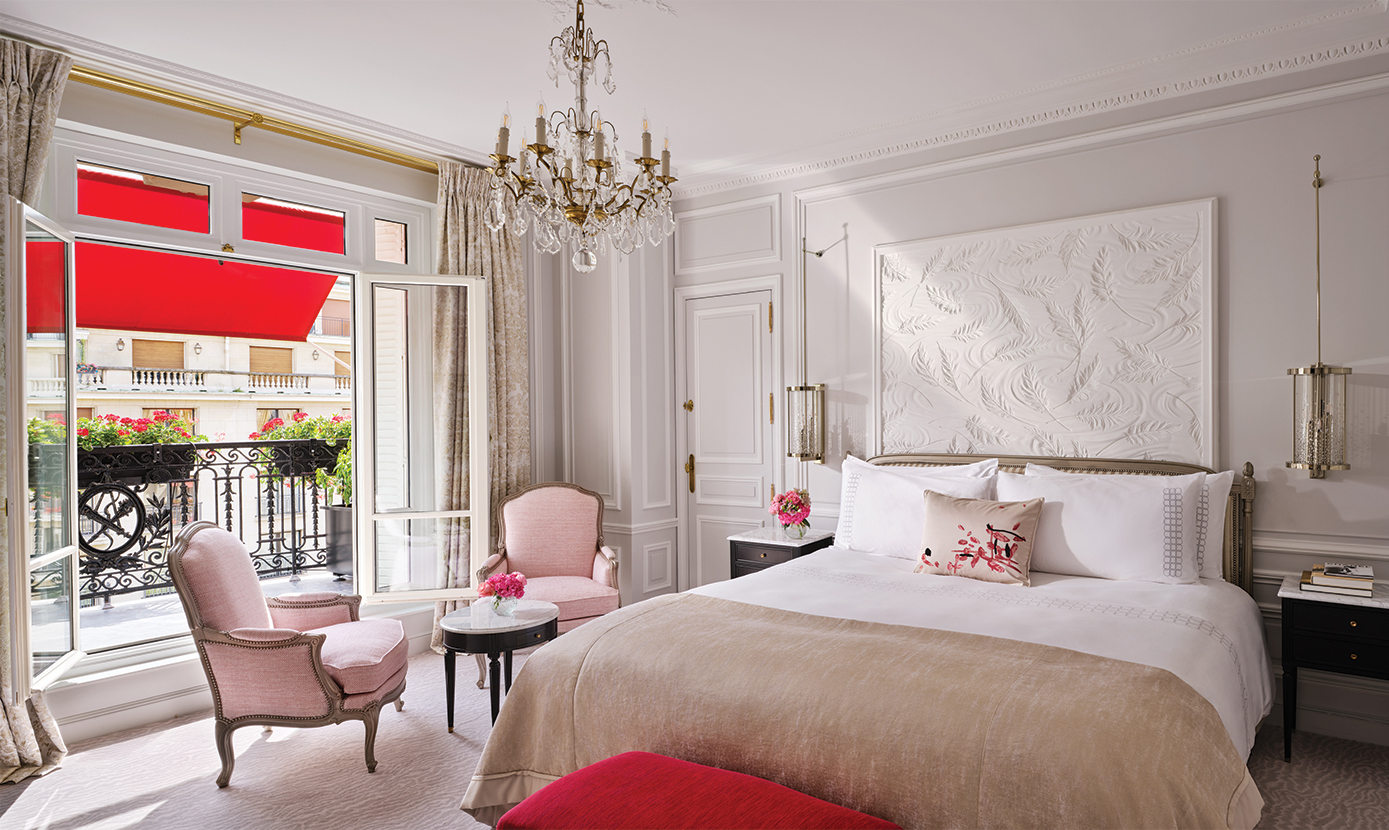
Designed to feel residential and serene, the rooms unfold in a calming sequence. Guests enter into a dedicated wardrobe area that immediately absorbs luggage and visual clutter, leaving the living spaces composed and quiet. “You settle into the wardrobe area right away,” Romaniello explains. “It keeps everything soothing. It feels neatly and calmly arranged.” Windows were expanded and rebuilt as triple-panel systems, bringing in more light while buffering the bustle of Midtown. The palette stays light and neutral, with subtle Art Deco references in fixtures and details rather than heavy-handed motifs. In the bathroom, a generous soaking tub and polished finishes are meant to deliver a spa-like ritual without leaving the room.
For Romaniello, sleep is the most essential luxury the hotel can offer, and the bed is where Waldorf Astoria New York’s promise becomes intimate. “Bedding is everything,” he says. “People talk about thread count, but it’s really about how you feel, and the weight of the linen. When you’re in bed, you wrap yourself in the sheets like a cocoon. You feel isolated from the rest of the world.”
That feeling is elevated through the hotel’s partnership with Frette. With bespoke linens designed specifically for Waldorf Astoria New York, the experience is rooted in quiet confidence rather than spectacle. “We don’t want to be a flashy hotel,” Romaniello says. “We want substance behind our comfort. Frette delivers quiet luxury with real substance. When you feel the sheet, it’s silky. It sets the tone that you’re sleeping in a really special bed.” The hotel’s suites are private places for guests to reset and return to themselves.
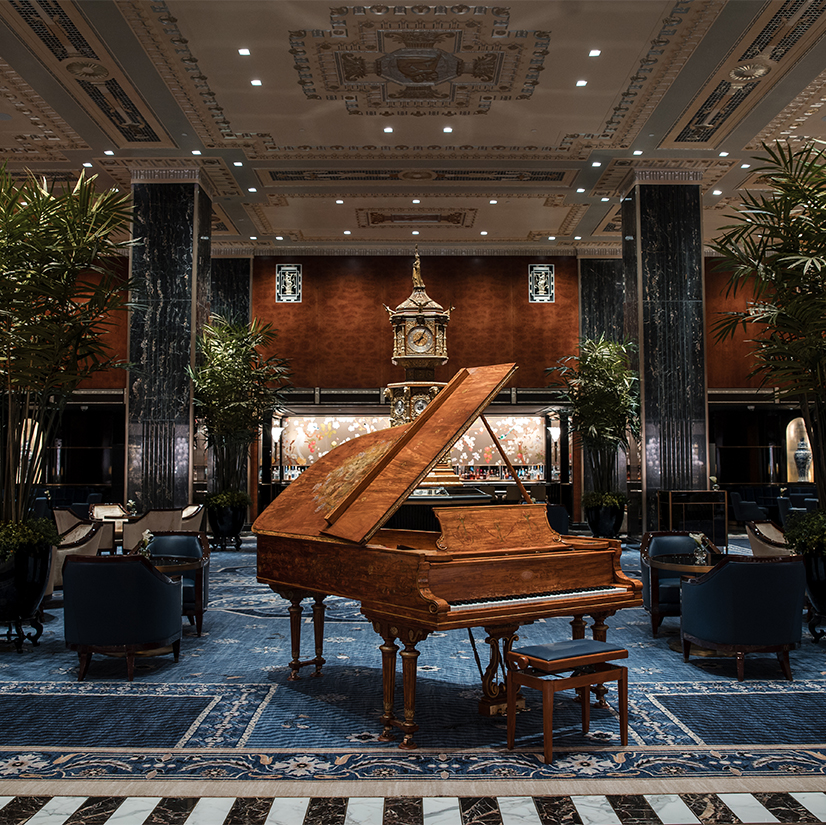
Wellbeing is also expressed on a larger scale through the new Guerlain Wellness Spa, a 22,000-square-foot, purpose-designed floor with 16 treatment rooms and an emphasis on holistic renewal. Romaniello speaks about it with the enthusiasm of a New Yorker who knows the value of escape. Guests move between heat and cold with an infrared sauna, Moroccan hammam steam room, and an arctic snow cave, alongside cryotherapy and fitness offerings. “It’s not just about the measurements,” he says. “It’s about how you feel when you leave.” Guerlain’s philosophy centers on four pillars: nutrition, movement, quality sleep, and mindfulness, with treatments that nod to Waldorf Astoria New York lore, including a “Clockwork” ritual inspired by the hotel’s iconic timepiece.
Waldorf Astoria New York’s return has also been shaped by the people who bring it to life. After the long closure, the hotel rebuilt its team with a blend of returning legends and a new generation trained at hospitality institutions like Cornell and Penn State. “We had an opportunity to reset,” Romaniello says. “The loyal employees came back, and they can tell the story. And we have new, young people who bring a fresh vibe. Everyone is eager to bring their best to the hotel and take it to the next level.” The service philosophy is seamless and quietly anticipatory. “We are on your side,” he says. “The next level of hospitality is unexpected, subtle service. It’s driven by relationships.”
That approach has resonated most deeply with returning guests who carry their own Waldorf Astoria New York memories. Romaniello recalls guests who refreshed the booking page for days, determined to be first through the doors. One of the earliest arrivals, a New Yorker, cried upon check-in. “She said, ‘I remember walking through the hotel with my mom as a little girl. I grew up to be successful enough that I can stay at the Waldorf Astoria New York.’” For Romaniello, those stories are proof that the hotel’s legacy is still living. “They tell you, ‘Thank you for giving it justice. Thank you for giving us back the Waldorf. This is better than I ever imagined.’”
In keeping with the hotel’s cultural place in New York, programming invites locals and travelers into its public spaces with the same sense of belonging. Music is central, from “Cole Porter and Friends” performances to nightly entertainers who make Peacock Alley feel like a front-row seat to the city’s social theater. “To be a great hotel, you have to play a role in the city,” Romaniello says. “Cultural experiences elevate the entire image of the hotel.”
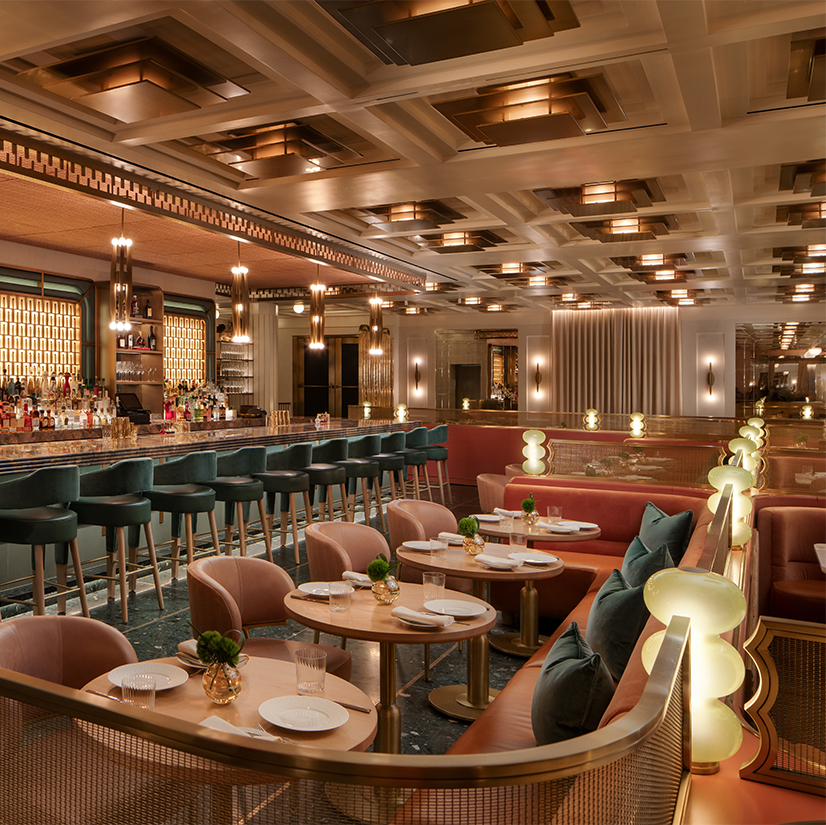
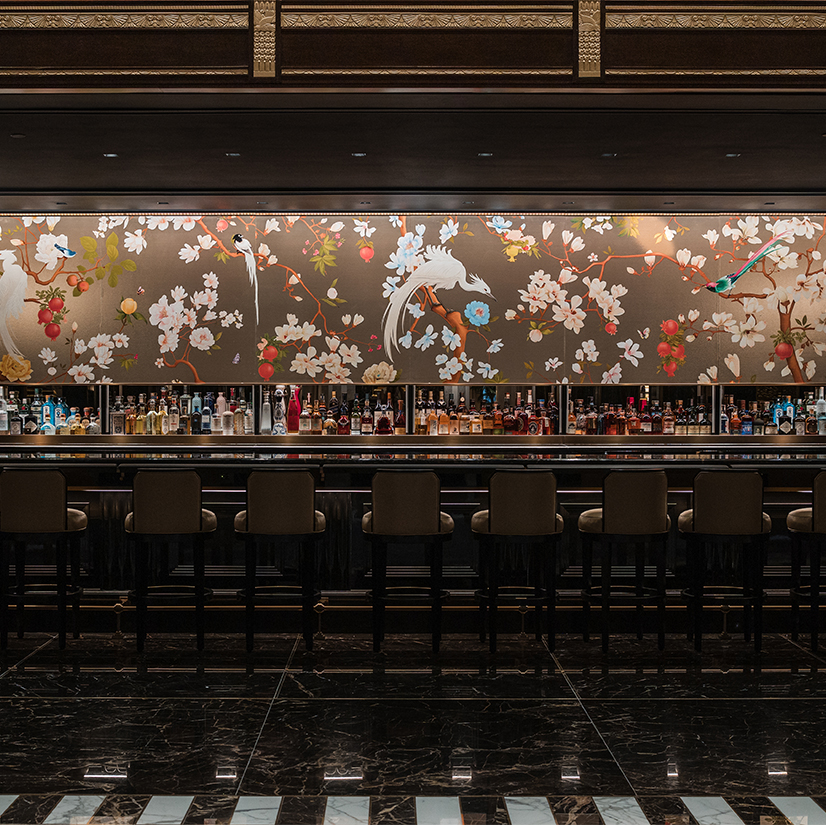
Culinary is another pillar, built to feel like a neighborhood destination rather than a traditional hotel circuit. At Lex Yard, Chef Michael Anthony’s farm-to-table approach meets a warm, social room designed for repeat visits, with a bar that encourages conversation. Yoshoku offers a western-influenced Japanese tasting experience that layers in whiskey, vinyl, and nostalgia, while afternoon tea brings a Japanese twist to a familiar ritual, And Peacock Alley remains the constant, buzzing from morning to night, welcoming both hotel guests and locals for cocktails that reinterpret classics with precision and play.
Step outside, and the city is immediate: Fifth Avenue’s flagship shopping, Central Park’s long walks, MoMA’s galleries, Rockefeller Center, Broadway, and the Midtown energy that has always defined Waldorf’ Astoria New York’s address. Step back inside, and the hotel offers a different tempo, one calibrated to comfort, craft, and quiet. Romaniello is clear about the story he wants the new Waldorf Astoria New York to tell. “We don’t want to focus on the old grand dame,” he says. “We celebrate the nostalgia, we’re informed by it, but we look ahead. We’re modern, and surprisingly refreshing.”
At Waldorf Astoria New York, the next era is already taking form. And in the sanctuary of a thoughtfully designed suite, perfected by Frette, New York feels close enough to touch, and far enough away to fully exhale.

.jpg)